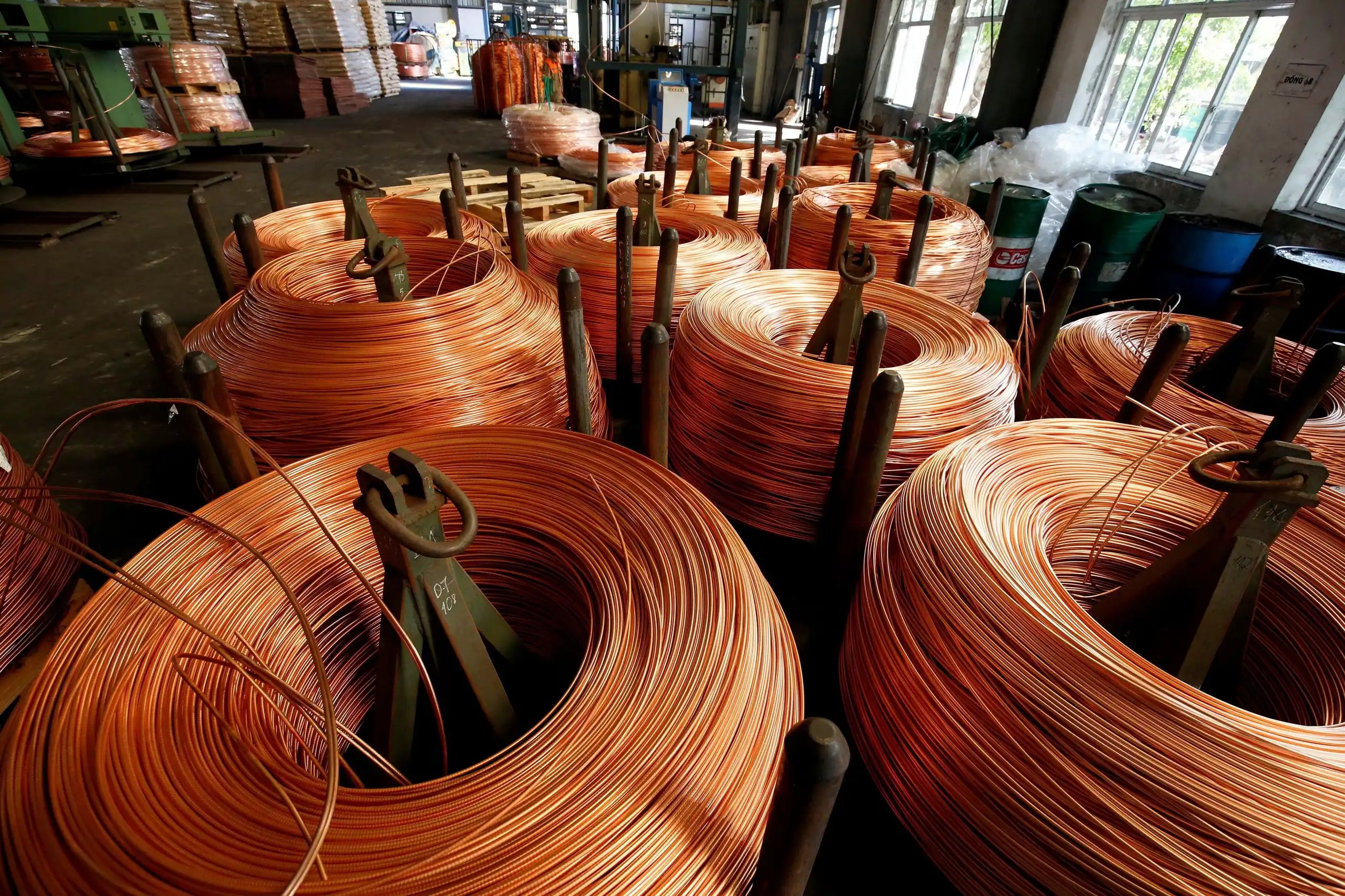
Copper From Mine to Fabricator
Responsible production, chain-of-custody, and traceability alignment for copper from mine sites through smelting, refining, trading, and fabrication.
UNTP Implementation Status
-
Planned -
In-Progress -
Pilot -
Operational
The Copper Mark is an independent assurance framework for responsible practices across the copper, molybdenum, nickel, and zinc value chains. Its work is especially relevant to a mine-to-fabricator community because it combines responsible production assurance, due diligence expectations, and emerging chain-of-custody capabilities for metal products moving through complex supply chains.
This planned community will explore how the UN Transparency Protocol and the Critical Raw Materials Transparency Protocol (CRMTP) can support interoperable digital claims for copper from extraction and processing through smelting, refining, trading, fabrication, and downstream use. The goal is to complement existing assurance processes with data exchange patterns that can be reused by producers, fabricators, customers, regulators, and other stakeholders.
Community Focus
-
Responsible production assurance alignment:
Map Copper Mark responsible production assurance outputs to UNTP-compatible digital records so independently assessed site-level claims can be exchanged more consistently across the value chain.
-
Mine-to-fabricator chain-of-custody data:
Assess how Copper Mark Chain of Custody requirements for product-level claims, separation, and mass balance can be represented in digital product passports and supporting traceability credentials.
-
Value-chain participation model:
Coordinate with mines, smelters, refiners, traders, fabricators, recyclers, OEMs, manufacturers, civil society, and affected stakeholders through the Copper Mark’s Responsible Metals Value Chain Platform.
Planned Implementation Activities
-
Scope definition:
Define the priority copper product flows for the first implementation cycle, including mined ore, concentrate, refined copper, semi-fabricated copper products, and recycled-content inputs where relevant.
-
Credential mapping:
Identify the minimum data needed to connect Copper Mark assurance status, site identifiers, chain-of-custody model, product transformation events, and customer-facing responsibility claims.
-
Assurance and claims workflow:
Document how independent assessment results, participant status, and allowable claims should be referenced without duplicating or weakening the Copper Mark assurance process.
-
Interoperability testing:
Prepare a pilot-ready data exchange pattern for mine, smelter/refiner, trader, and fabricator systems, with special attention to mass balance, percentage-based claims, and downstream reporting needs.
Credential Extensions
| Name | Base Credential | Status |
|---|---|---|
| Copper Product Passport | UNTP Digital Product Passport | Planned |
| Responsible Production Site Record | UNTP Digital Facility Record | Planned |
| Copper Chain of Custody Claim | UNTP Digital Conformity Credential | Planned |
Identifier Schemes
| Name | Scope | IDR Status |
|---|---|---|
| Copper Mark Participating Site ID | Facility | Planned |
| Global Location Number (GLN) | Facility | Planned |
| Product and batch identifiers for copper-containing materials | Product | Planned |
Conformity Schemes
| Name | CVC Status |
|---|---|
| Copper Mark Assurance Framework | Planned |
| Copper Mark Chain of Custody Standard | Planned |
| Joint Due Diligence Standard | Planned |
Software Systems
| Name | System Type | Issuing Status |
|---|---|---|
| Responsible Metals Value Chain Platform | Value-chain coordination platform | Planned |
| Producer and fabricator traceability systems | Source data systems | Planned |
| UNTP-compatible credential issuer | Digital credential service | Planned |
Community Owner
Governance
Independent assurance-framework governance with Board oversight and advice from the multi-stakeholder Copper Mark Advisory Council. Planned UNTP alignment will use Copper Mark standards, assurance, and value-chain working groups as the coordination base.